Hanoi to Da Nang Train 2026: Schedule, Prices & Best Cabins
Key Takeaway: Traveling on the Hanoi to Da Nang train takes about 16 hours. For 2026, expect ticket prices between $35 for a soft seat and $85 for a VIP sleeper. To get the best mix of comfort and coastal views, we recommend booking a 4-berth soft sleeper on the SE19 train. You can check availability and book train tickets online at vietnamesetrain.com to secure a bottom bunk.
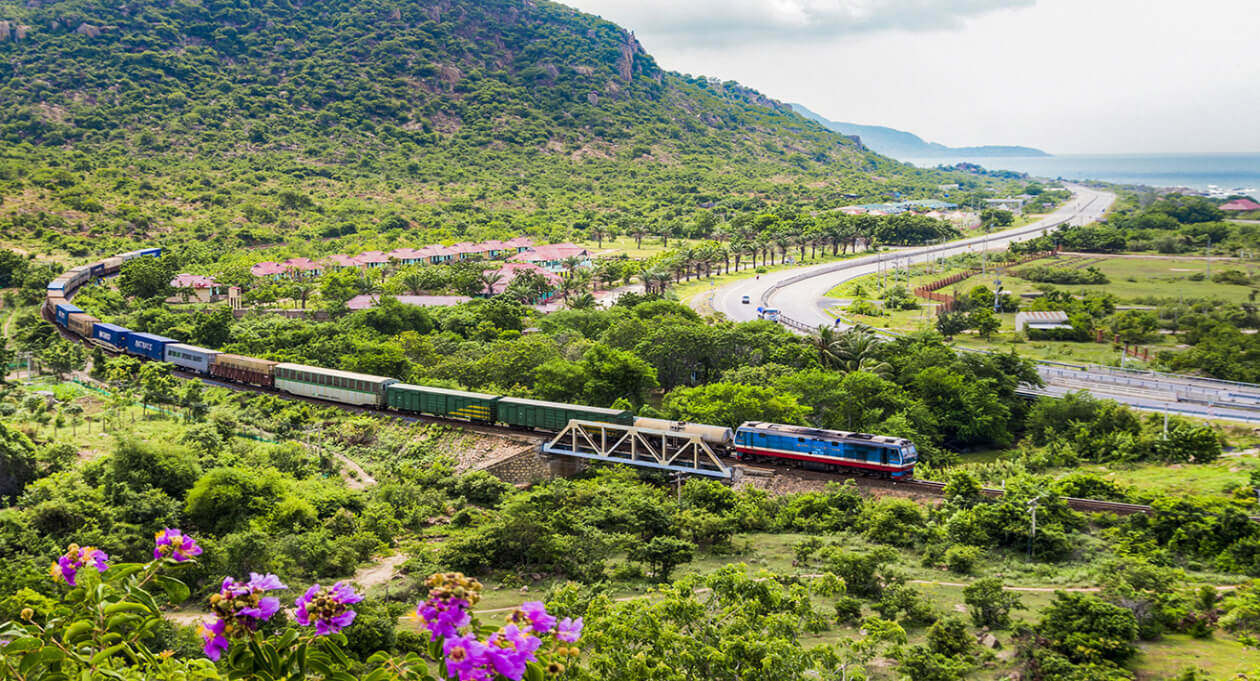
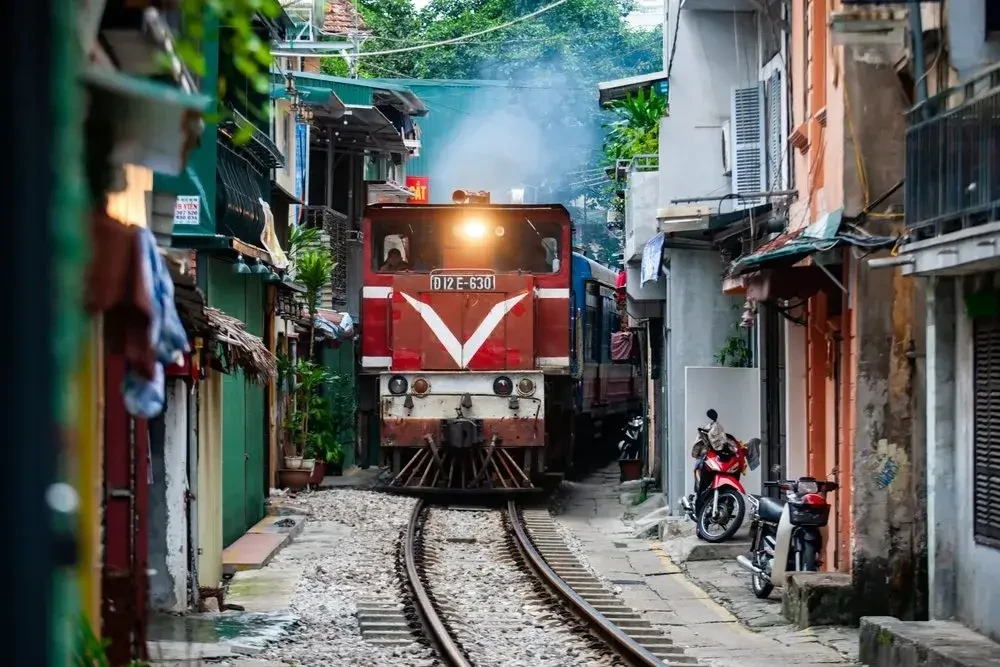
Taking the Hanoi to Da Nang train is a practical and scenic way to navigate the Vietnamese coast. While flying is undoubtedly faster, the rail journey offers a ground-level view of the countryside, including the spectacular Hai Van Pass.
Planning your trip requires a basic understanding of schedules, pricing, and cabin types. This guide covers everything you need to know for a successful 2026 journey.
Quick Overview: Hanoi to Da Nang Train Travel in 2026
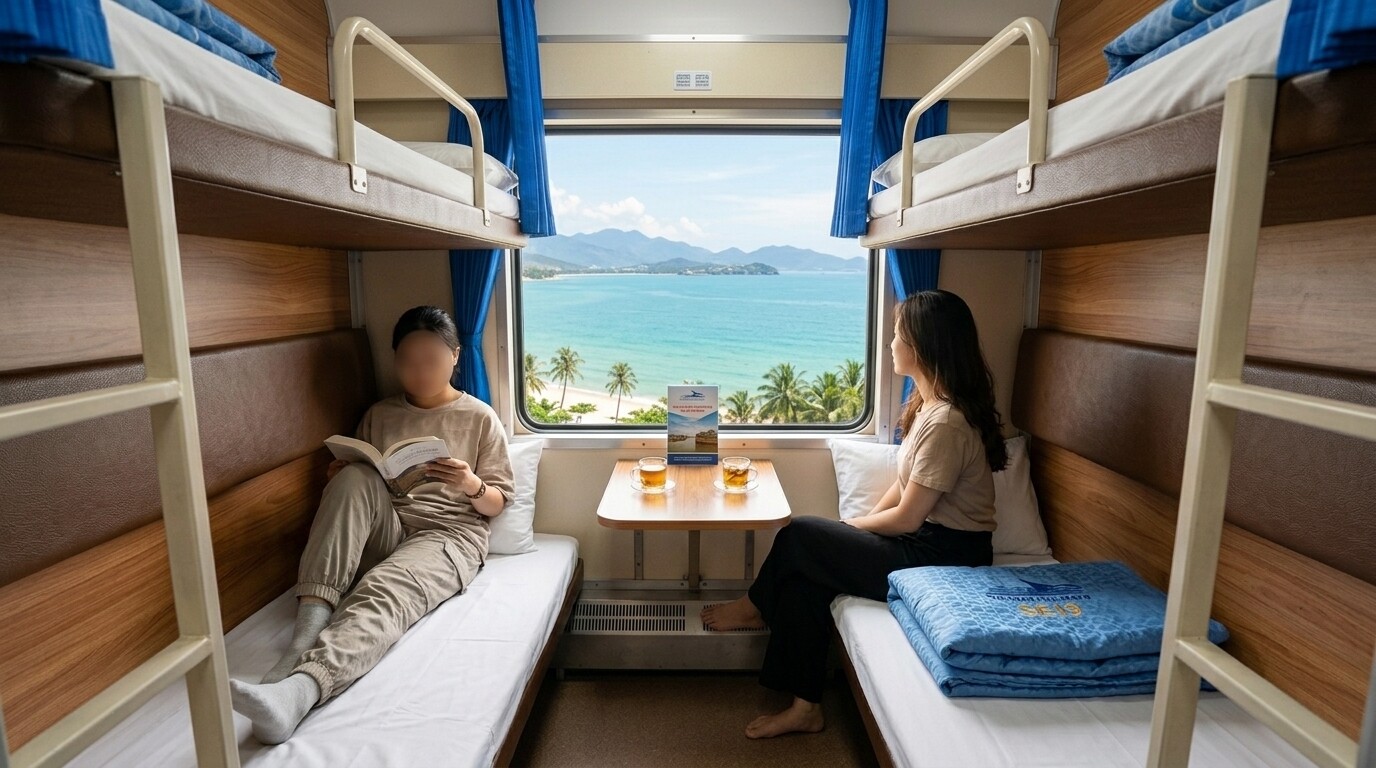
Before diving into sleeper classes and private carriages, here are the essential facts for this 791-kilometer route:
- Distance: 791 kilometers (491 miles) from the capital to central Vietnam.
- Duration: 15.5 to 17 hours, depending on which SE train you choose.
- Daily Departures: 5 to 6 express trains run this route every day.
- Price Range: $35 for a daytime soft seat up to $85+ for luxury tourist sleepers.
- Primary Advantage: Overnight trains save you the cost of a hotel night and time your arrival for the best morning views.
2026 Train Schedule (Hanoi to Da Nang)
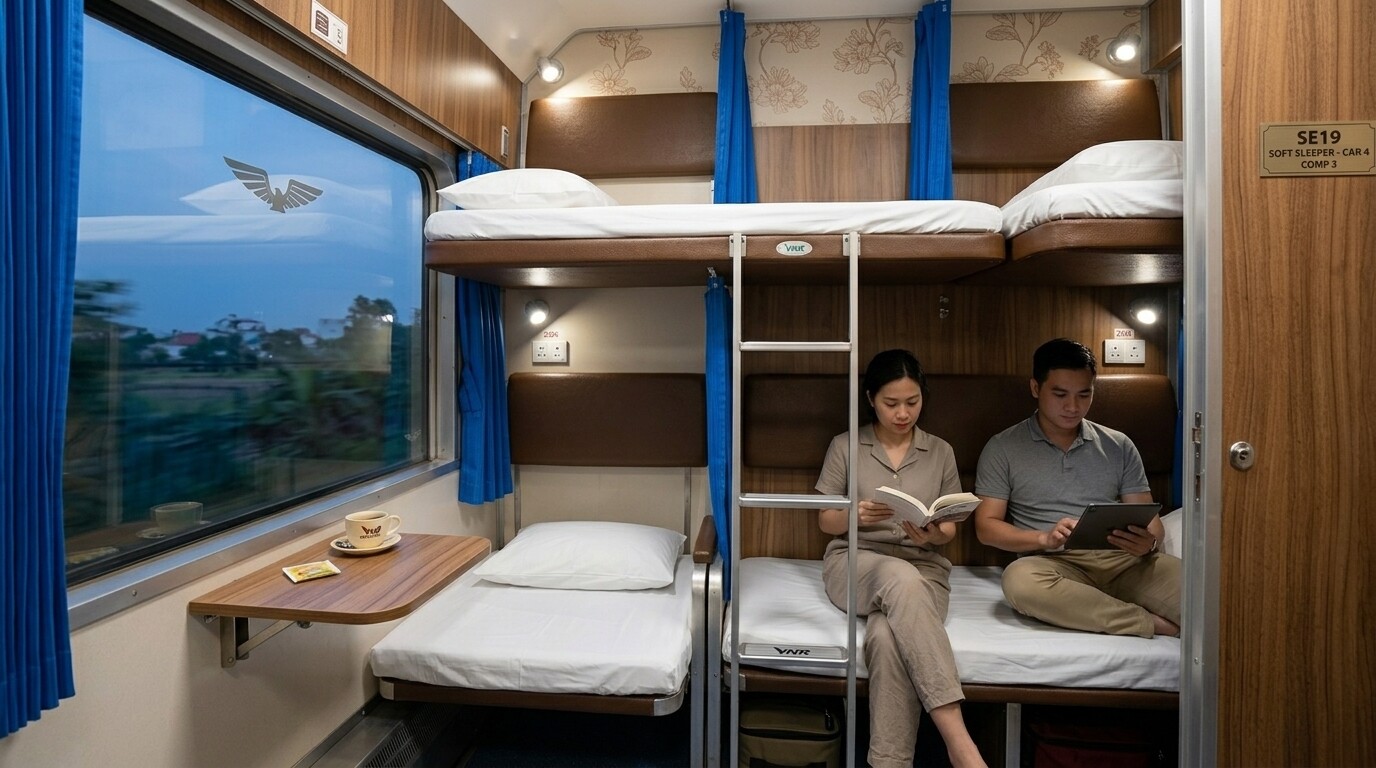
Vietnam Railways offers different tiers of service. The "SE" trains are the express options, featuring modern air-conditioning and cleaner facilities. In contrast, the older "TN" trains move slower and stop at more provincial stations.
The SE19 is the most popular choice for travelers. It departs Hanoi at 19:50, meaning you sleep through the night and wake up just as the train begins its scenic crawl along the coastline north of Da Nang.
Below is the 2026 timetable for the major express services. Note that minor seasonal adjustments are common, as noted in the Vietnam Railways Official Timetable.
| Train Name | Depart Hanoi | Arrive Da Nang | Duration | Action |
|---|---|---|---|---|
| SE1 | 20:55 | 13:15 (+1 day) | 16h 20m | Check Availability |
| SE3 | 19:20 | 11:14 (+1 day) | 15h 54m | Check Availability |
| SE5 | 15:30 | 07:42 (+1 day) | 16h 12m | Check Availability |
| SE7 | 06:10 | 22:36 (same day) | 16h 26m | Check Availability |
| SE19 | 19:50 | 12:28 (+1 day) | 16h 38m | Check Availability |
If you want more details on why the SE19 is preferred for sightseeing, read our Hanoi to Da Nang Train: 2026 Guide to SE19 & Best Scenery. Once you select your departure time, head over to vietnamesetrain.com to book your Hanoi to Da Nang train tickets before the tourist carriages sell out.
Departure and Arrival Stations
Navigating the stations correctly is the first step to a stress-free journey. Both Hanoi and Da Nang use central hubs that are easy to reach by taxi.
Hanoi Railway Station (Ga Hà Nội)
You will find the main station at 120 Le Duan Street in the Hoan Kiem District. This is the primary departure point for all southbound Reunification Express trains. Ensure you use the main entrance on Le Duan Street (Station A).
Do not go to the Tran Quy Cap entrance (Station B), as that serves the northern lines toward Sapa. We recommend arriving at least 45 minutes before your scheduled departure. The station features several small stores where you can stock up on water and snacks for the night.
Da Nang Railway Station (Ga Đà Nẵng)
This station is located at 791 Hai Phong Street, roughly 3 kilometers from the city center. It is a quick 5-kilometer trip to My Khe Beach. Upon arrival, you will see a crowd of metered taxis and ride-hailing drivers. A ride to most coastal hotels usually takes 15 minutes and costs between $3 and $5.
Ticket Prices and Cabin Classes Compared
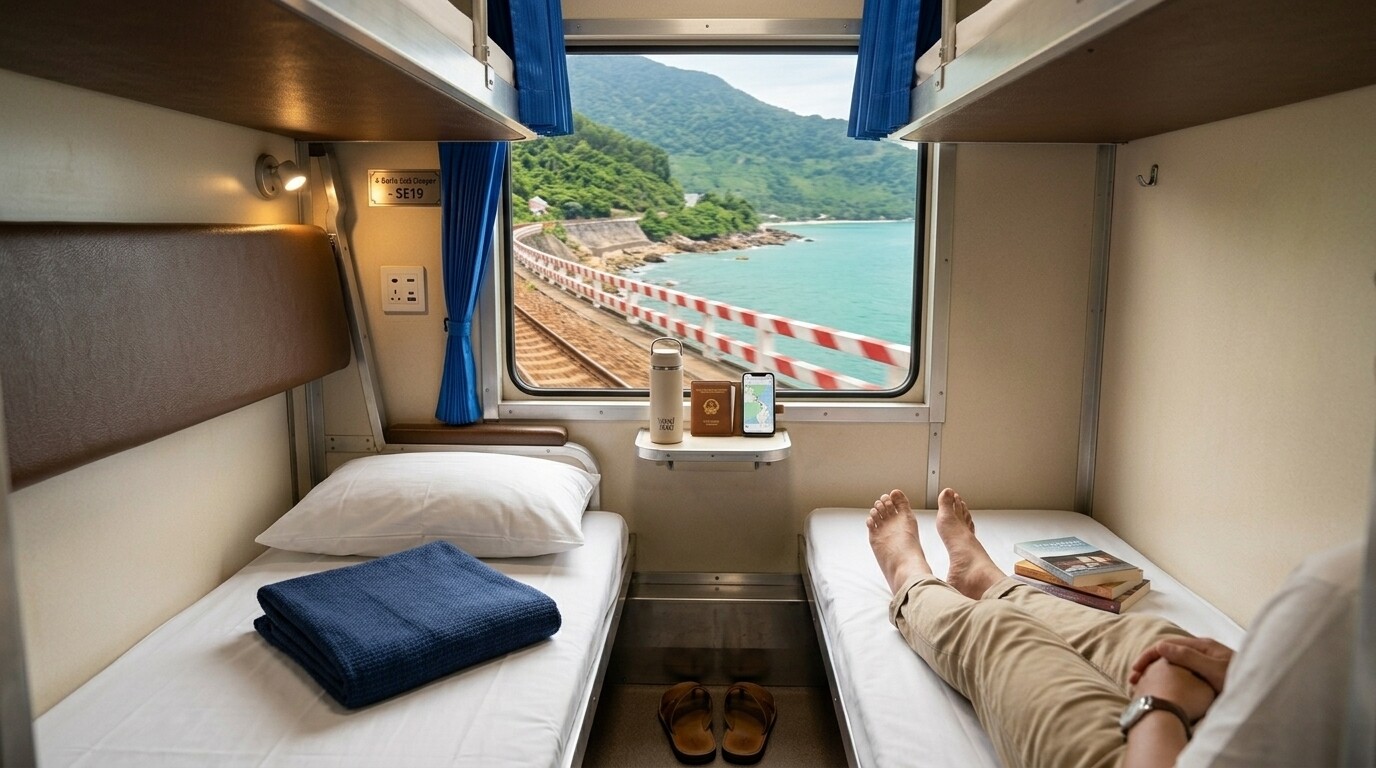
Four main seating and sleeping options exist for this route. While Vietnam Railways (VR) operates standard carriages, private companies like Laman Express and Lotus Train attach upgraded cars to the SE19 and SE3 services. These private options offer thicker mattresses and cleaner restrooms for a premium price.
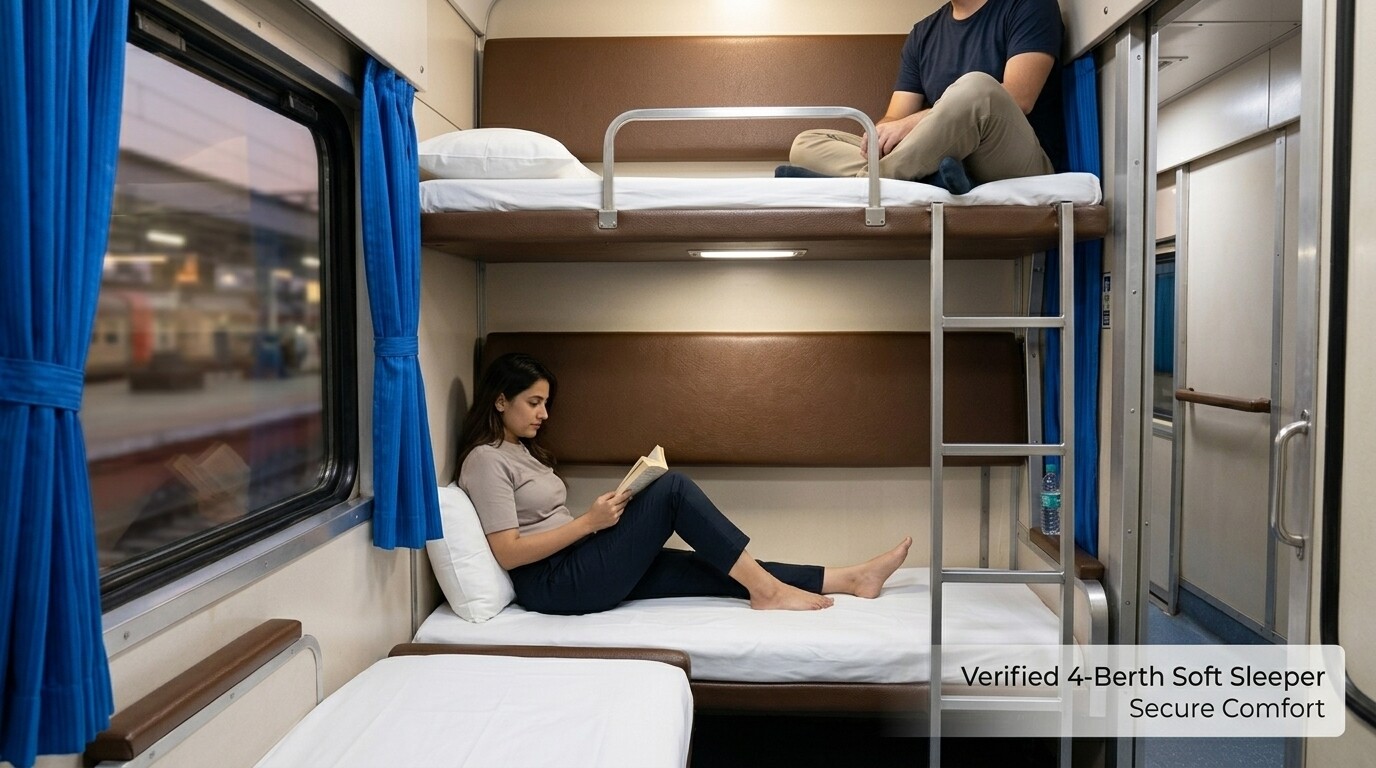
Choosing a 4-berth soft sleeper over a hard sleeper is often worth the extra $20. It provides significantly more headroom and a much more comfortable mattress for the 16-hour haul.
| Class / Cabin Type | Average Price (USD) | Best For | Booking |
|---|---|---|---|
| Soft Seat (Air-Con) | $35 - $40 | Daytime travel (SE7) | Book Now |
| Hard Sleeper (6-Berth) | $45 - $55 | Budget backpackers | Book Now |
| Soft Sleeper (4-Berth) | $60 - $70 | Families & couples | Book Now |
| VIP Sleeper (2-Berth) | $85 - $110 | Maximum privacy | Book Now |
| Luxury Tourist Carriages | $80 - $95 | Premium comfort | Book Now |
Budget travelers might find the 6-berth option acceptable. You can learn what to expect in our Vietnam Train Hard Sleeper: 6-Berth Cabin Guide & Tips. However, for most, the 4-berth is the sweet spot. Check vietnamesetrain.com for live pricing on your specific dates.
Which is the Best Cabin for You?
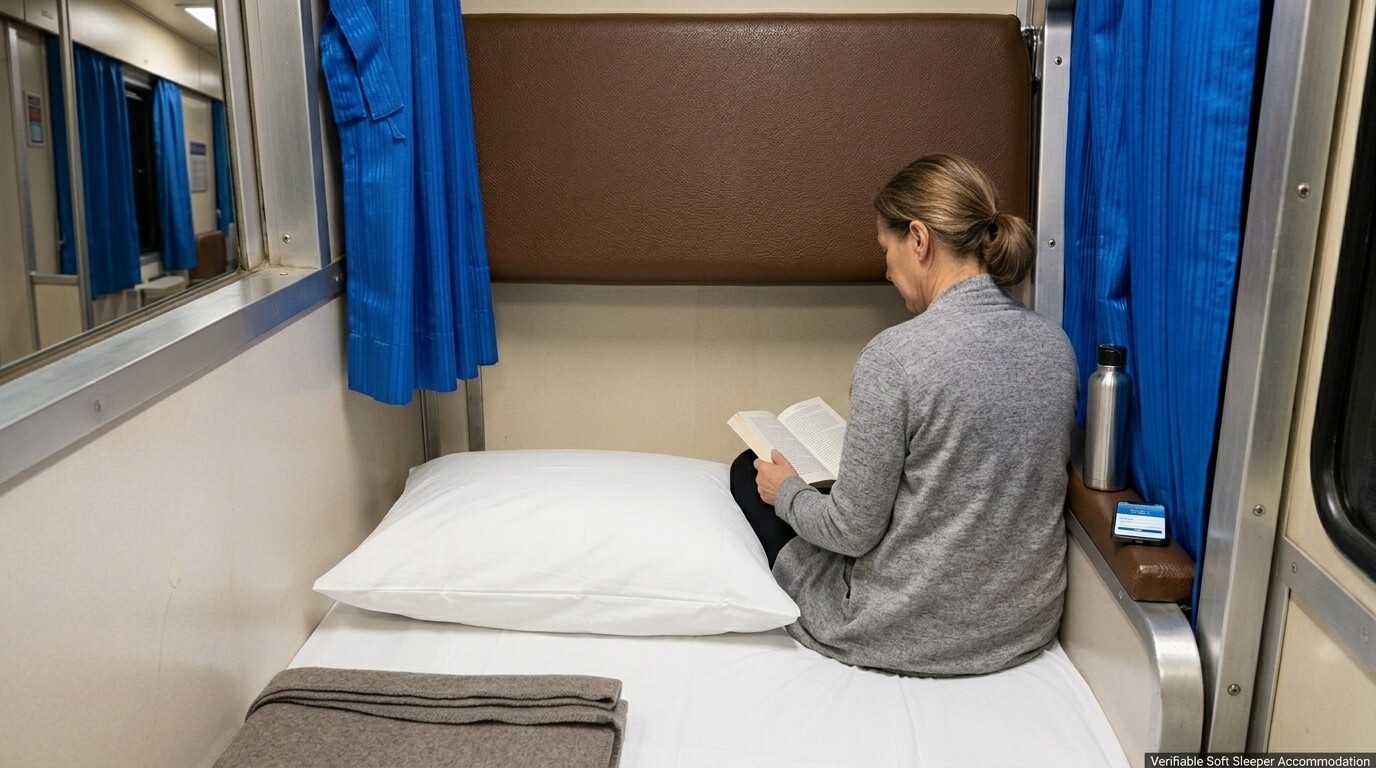
Comfort levels vary greatly on long journeys. Standard VR soft sleepers are functional and include clean sheets and a reading light. The mattresses are about three inches thick, and the air conditioning is usually quite powerful. It is wise to keep your blanket close at hand.
For those seeking maximum privacy, VIP 2-berth cabins are the top choice. These are essentially 4-berth cabins where the top bunks remain folded up. This setup gives you room to stretch out and avoids the need to share space with strangers. See our VIP 2-Berth Sleeper Guide for more details.
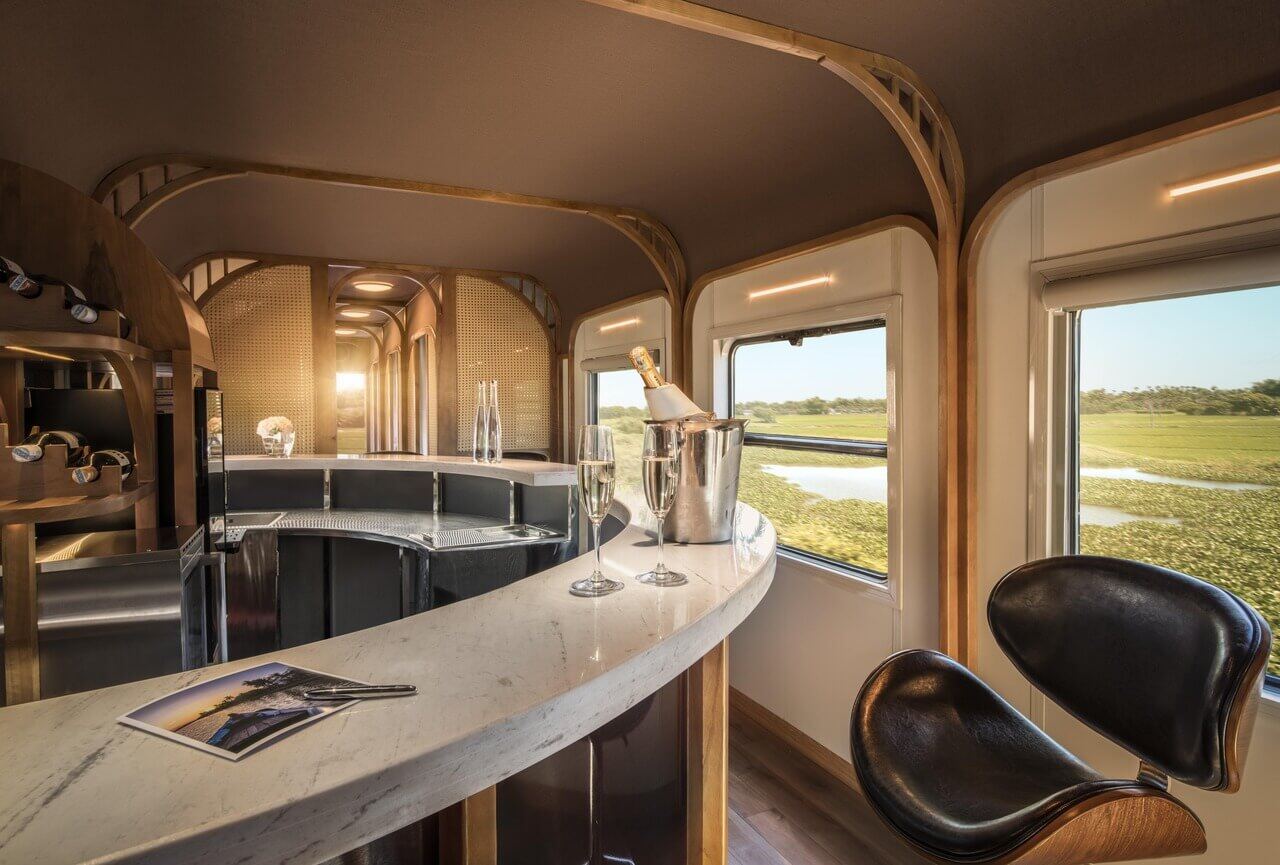
Luxury tourist carriages like Lotus or Laman offer a more refined experience. They feature wood-paneled interiors, high-quality mattresses, and dedicated attendants. If you are traveling with family, these upgrades make the 16-hour trip much more enjoyable. Explore more about these options in our Soft Sleeper Guide.
Luggage Allowance and Onboard Facilities
Preparation is key when spending nearly a full day on a train. Knowing the rules and amenities will help you pack effectively.
Luggage Rules
Official rules allow for 20 kg of luggage per person, but enforcement is rare. As long as you can physically carry your bags and fit them in your cabin, you shouldn't have issues. Most passengers store bags under the bottom bunk or in the overhead niche. There is no separate baggage car for standard luggage.
Food and Drink
Each express train typically includes a dining car. You will also see food carts moving through the aisles selling hot meals, porridge, and snacks. These are quite affordable. Additionally, hot water dispensers are available at the end of each carriage, which is perfect for tea or instant noodles.
Restrooms
Each car has two restrooms, usually offering one western-style and one squat toilet. Sinks are located in the common area outside the stalls. While toilet paper is usually provided, it often runs out by morning. We strongly suggest bringing a backup supply.
6 Pro Tips for the Hanoi to Da Nang Route
A little insider knowledge goes a long way on the Reunification Express. Here is how to make the most of your trip.
- Bottom Bunk Advantage: Lower berths are highly coveted. They offer easy access to the table and window without needing to climb a ladder. Book early on vietnamesetrain.com to secure one.
- The Left Side Rule: When heading south, the left side of the train faces the ocean. This provides the best views during the Hai Van Pass crossing. While you can't always pick the specific side of the car, you can grab the window seat in your cabin early.
- Pack Warm Layers: AC units on these trains are notoriously cold. Even if it is sweltering in Hanoi, bring a hoodie or a light jacket for the cabin.