Hanoi to Hue Train: Overnight Sleepers, Stations & Tickets
Quick answer: Hanoi and Hue are connected by the north–south railway. Check a southbound service calling at Hue for your date, then compare departure time, arrival day and available seats or berths. For an overnight trip, choosing the right berth and planning hotel check-in can matter as much as the fare.
Departing from Hanoi and arriving in Hue
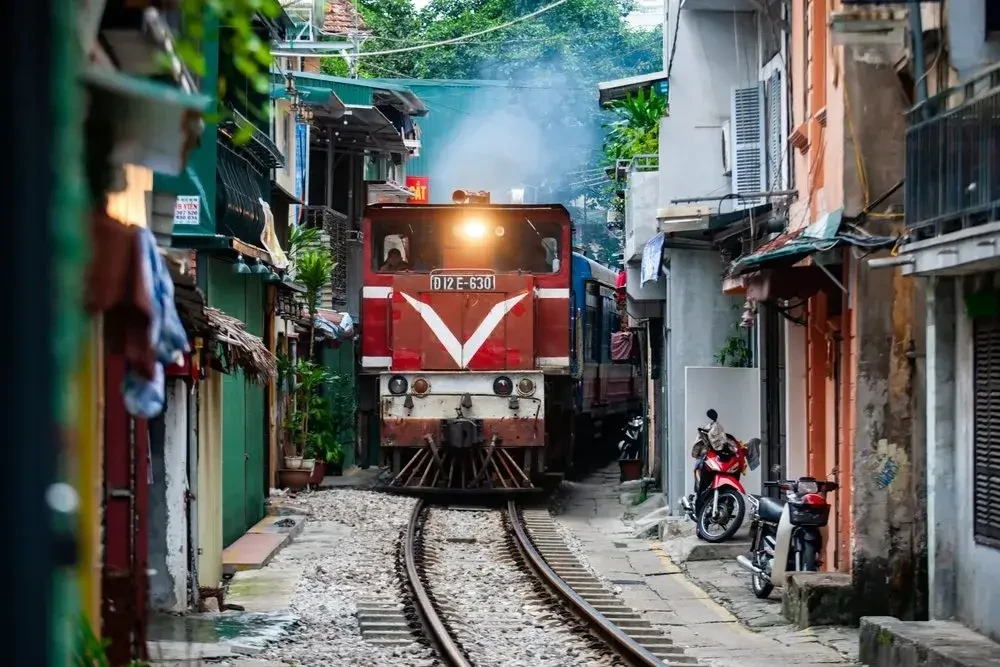
Search Ha Noi or Hanoi to Hue, also written Huế. Check the departure station and boarding instructions on your issued ticket. Do not confuse a tourist attraction such as Hanoi Train Street with the station entrance required for your service.
Hue railway station serves the city but is separate from the Imperial City visitor entrance and your hotel. Arrange the final road leg using the station and accommodation names. A ticket to Da Nang is a different destination farther south and should not be selected just because it appears in the same search corridor.
Read the date as well as the departure time
Use the Hanoi to Hue route page to compare date-specific options. Look at the full duration and the arrival calendar day. If a train departs in the evening and arrives the following day, use that following date for your pickup and accommodation arrangements.
For an early arrival, ask your hotel about luggage storage and check-in. For a late arrival, confirm reception or transfer availability. Leave flexibility before a timed tour or a separately booked connection, since a timetable is not a guarantee of arrival.
Choosing overnight accommodation
Soft-sleeper and hard-sleeper products differ in layout and space. Standard soft-sleeper compartments commonly contain four berths; hard sleepers commonly contain six. Confirm the actual carriage, berth level and any operator-specific description before purchase.
A single sleeper reservation normally buys one place in a shared compartment. Couples and families should check berth assignments and whether an entire compartment can be booked under the selected product’s rules. Do not assume a cabin is private because the listing uses words such as deluxe or VIP.
Ticket prices and conditions
The fare depends on the travel date, train, class, berth and passenger details. Compare total costs for an identical group and service, including displayed fees. Read whether changes or cancellation are permitted and which seller handles them.
Check names and document details carefully. Keep the issued ticket accessible offline and follow the actual instructions for boarding or collecting it. If assistance or a particular berth is essential, confirm it with the provider before paying rather than relying on a general request field.
What to pack and how to plan the night
Keep a small bag with medication, water, earplugs, a light layer and valuables where you can reach it. Pack larger luggage so it can be handled safely without blocking the aisle. Verify luggage conditions for the selected service, especially for unusual items.
Share an alarm plan with your travelling companions so you are ready for the Hue stop. Follow staff directions and the scheduled station calls; do not assume everyone in a shared compartment is getting off at the same place.
Continuing to Da Nang or Hoi An
The Hai Van Pass railway section lies beyond Hue toward Da Nang. A journey ending in Hue does not include that section. If you want to see it, allow time for a separate Hue–Da Nang leg, preferably scheduled in daylight.
Hoi An then requires a road transfer from Da Nang. Compare the complete itinerary and allow a connection buffer. Do not treat one ticket as permission to leave the train for a stopover and board a different service later.
Plan the rest of your rail journey
Sources and travel information
For general railway planning, see Vietnam Tourism’s transport guide. Check date-specific services and fare conditions with Vietnam Railways’ ticketing website or your chosen booking provider. Timetables, fares and carriage arrangements can change; information was reviewed on 7 September 2026.