Vietnam Train Travel Guide 2026: Routes, Costs, Map & Booking Tips
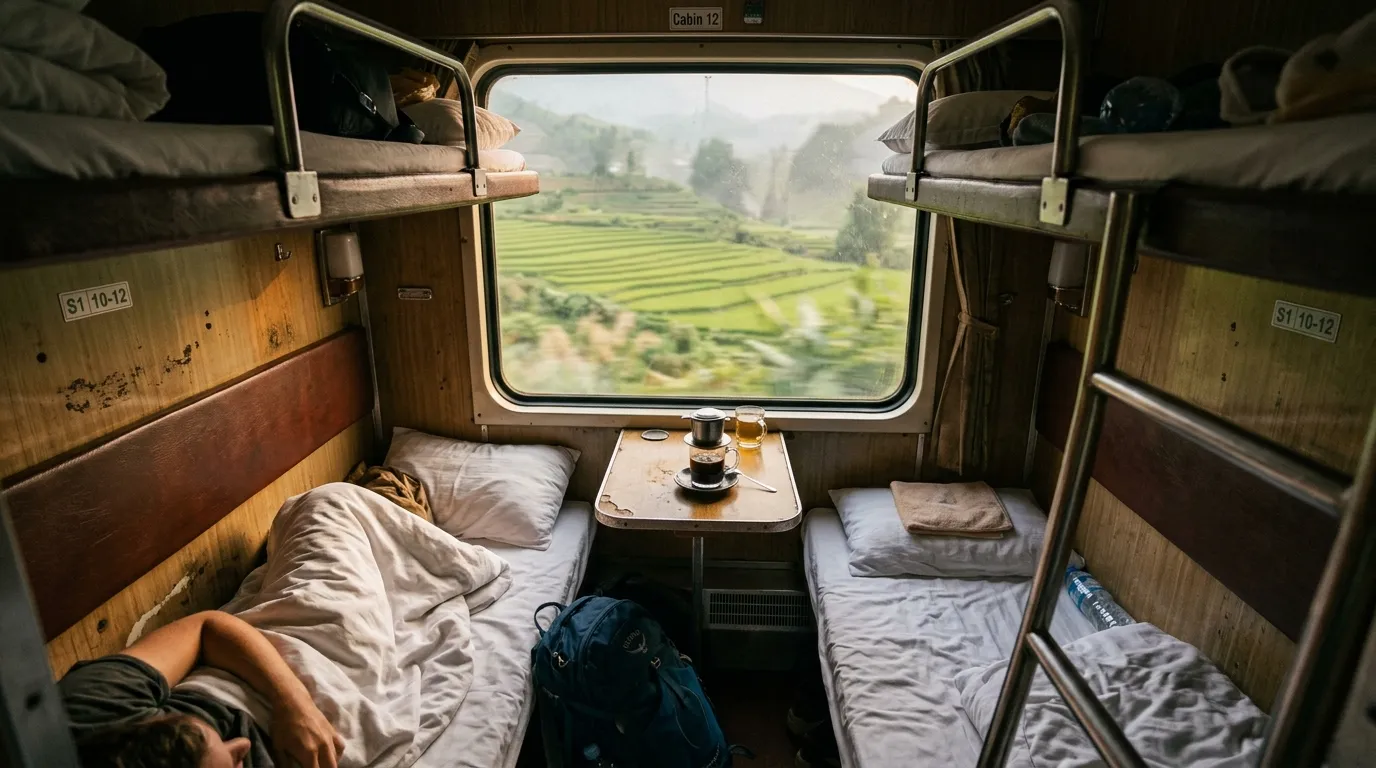
Cover image: AI-generated editorial illustration, not a photograph of this route or the carriage you will book.
Quick answer: Vietnam’s main passenger railway follows the north–south coast between Hanoi and Saigon, with useful branches including Hanoi–Lao Cai for Sapa. Use the map and route table below to choose the right corridor, then check the live timetable and total fare for your exact date before booking.
Vietnam’s rail network is useful for overnight journeys and scenic trips along the central coast. This guide helps you choose a corridor, understand the cabin classes and plan station transfers before comparing the services available on your date.
Vietnam Train Travel Guide: 2026 Railway Overview
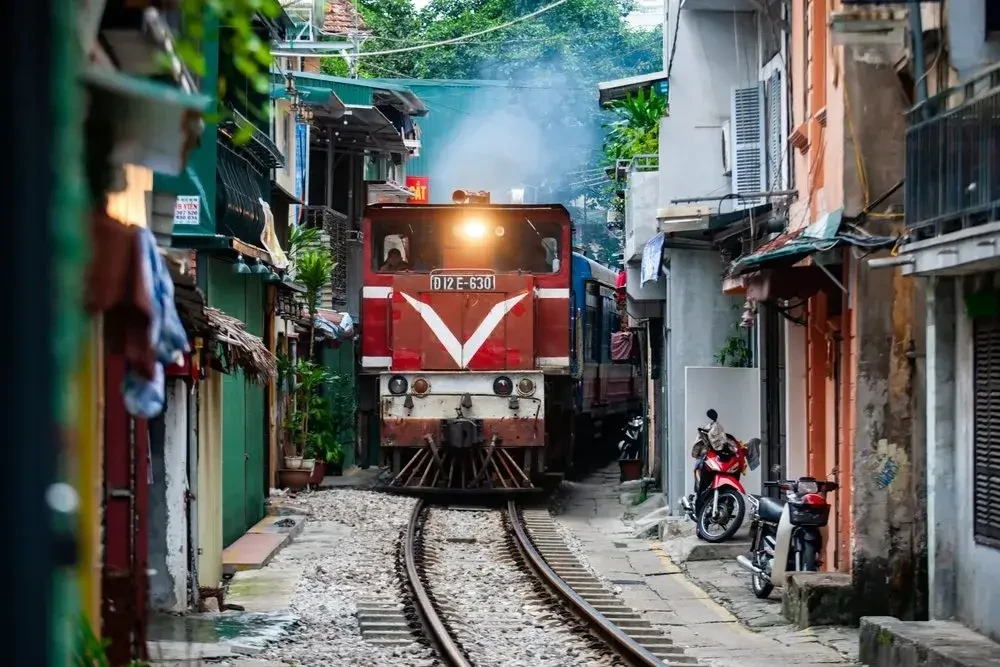
Vietnam Railways operates the core national passenger network. Train condition, air conditioning, toilets, power sockets and onboard service vary by train and carriage, so treat class descriptions as planning guidance and verify the facilities shown for the service you select.
- Conventional trains take longer than flights on the main north–south corridor. Compare total journey time, including station or airport transfers, when choosing transport.
- The main artery is the historic Reunification line. You can read the Reunification Express 2026: Vietnam Train Guide & Costs to understand how this massive route connects everything.
- Food availability and onboard service vary. Check meal inclusions and bring water and suitable snacks where permitted.
- Personal luggage normally travels with you, but storage space and operator rules vary. Keep aisles clear and check the conditions attached to your ticket.
Vietnam Train Map: Main Lines and Rail Hubs
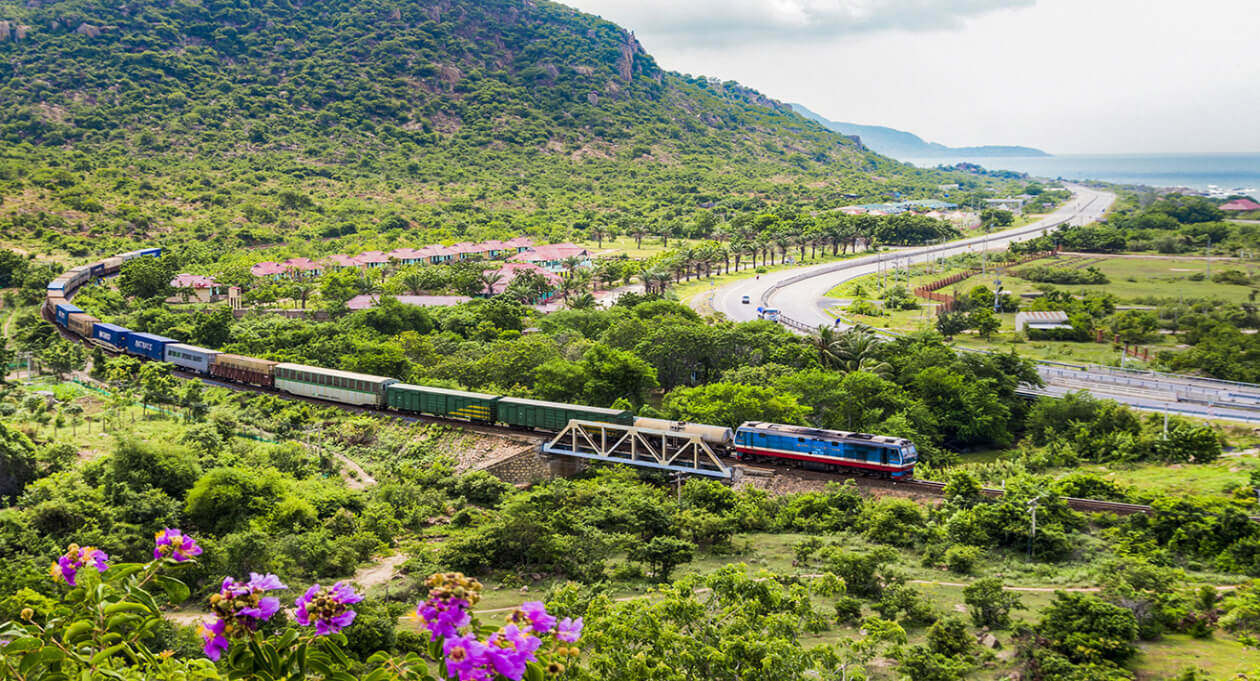
The Vietnam train map is easiest to understand as one long coastal spine plus a few northern branches. The Reunification Express is not a single sightseeing train: it is the common name travelers use for services on the North–South railway.
| Rail corridor | Main stops | Best for | Live route |
|---|---|---|---|
| North–South main line | Hanoi, Hue, Da Nang, Nha Trang, Saigon | Long-distance and overnight travel | Hanoi to Saigon trains |
| Central scenic section | Hue, Hai Van Pass, Da Nang | Short scenic journey | Da Nang to Hue trains |
| Northwest gateway branch | Hanoi, Lao Cai | Rail connection for an onward road transfer to Sapa | Hanoi to Lao Cai trains |
| Southern coastal section | Da Nang, Nha Trang, Saigon | Overnight southbound travel | Da Nang to Saigon trains |
Map note: A line on a railway map does not guarantee a convenient daily passenger service. Search the exact origin, destination and date to confirm operating trains, stations, seat classes and the current total price.
Top Vietnam Train Routes and Planning Times
Most travelers follow the eastern coastal route. Journey times and fares change by train, date, class and berth position. Use the ranges below only to compare the scale of each trip, then open the live route page for the timetable and total price available on your travel date.
| Route | Typical planning time | What to compare | Live timetable |
|---|---|---|---|
| Hanoi to Lao Cai (for Sapa) | Overnight | Standard vs tourist sleeper carriage; onward road transfer | Check trains |
| Hanoi to Da Nang | Long overnight journey | Arrival time, sleeper class and Hai Van Pass timing | Check trains |
| Da Nang to Saigon | Long overnight journey | Departure time, sleeper class and arrival station | Check trains |
| Da Nang to Hue | About half a day including station time | Window seat, train time and carriage class | Check trains |
Private tourist carriages can offer different bedding, cabin layouts and service. Compare the total price and inclusions with standard rail options; see the Hanoi to Sapa sleeper guide for the Lao Cai route.
Which Cabin Class Should You Book?
For longer overnight journeys, compare sleeper classes. A seat may suit a shorter daytime sector; a berth gives you somewhere to lie down. The right choice depends on journey length, mobility, budget and whether you want a shared or private cabin.
| Class | Best used for | Relative price | What to check |
|---|---|---|---|
| Hard seat | Short trips when offered | Usually lowest | Seat type and carriage |
| Soft seat | Daytime journeys | Above hard seat | Air conditioning and window availability |
| 6-berth hard sleeper | Budget overnight travel | Varies by berth | Upper, middle or lower berth |
| 4-berth soft sleeper | More space on overnight trips | Usually above hard sleeper | Berth position and cabin availability |
| Private tourist cabin | Travelers prioritizing privacy or added service | Premium | Operator, inclusions and cancellation terms |
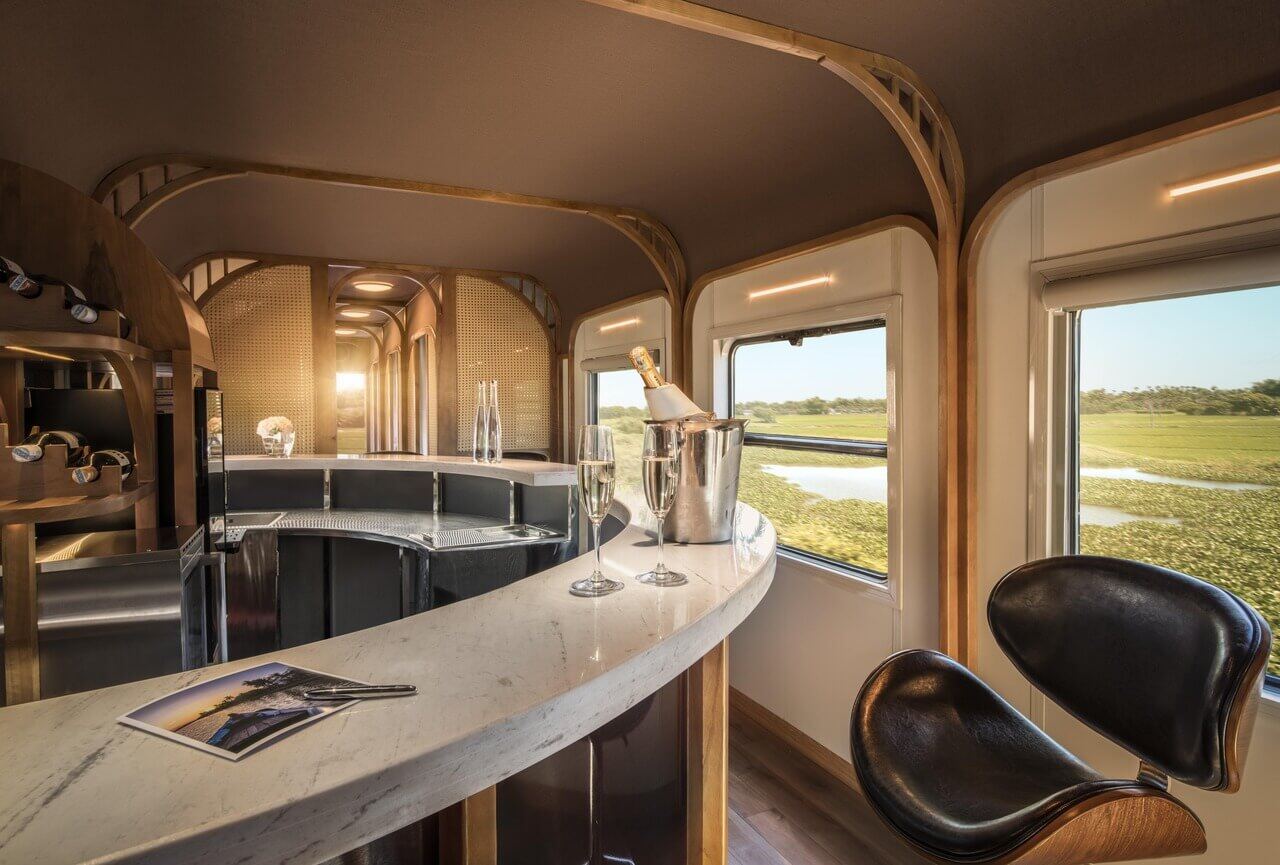
A six-berth hard sleeper has three bed levels on each side, while a four-berth soft sleeper has two. Private tourist cabins add operator-specific layouts and services. The Vietage by Anantara is a different luxury dining-and-seating experience; do not assume it is a standard overnight sleeper.
Major Train Stations You Will Encounter
Confirm the station name and the check-in location on your issued ticket or operator voucher. A city can have more than one railway station, and private carriages may use a separate meeting point.
- Hanoi Railway Station (Ga Ha Noi): The main station has entrances on Le Duan and Tran Quy Cap. Follow your operator’s current check-in instructions rather than choosing an entrance solely from the direction of travel.
- Da Nang Railway Station (Ga Da Nang): A central rail stop for Da Nang and onward travel by road to Hoi An. Hoi An itself has no main-line railway station.
- Saigon Railway Station (Ga Sai Gon): The principal long-distance station in Ho Chi Minh City. Check the station named on your ticket and allow extra time during holidays.
Luggage, Food, and Onboard Amenities
Plan for shared facilities and limited storage. A train ticket does not automatically include meals, transfers or unrestricted luggage.
Luggage: Personal luggage normally travels with you, but storage space and operator conditions vary by train and carriage. Check the rules attached to your ticket, keep aisles clear and contact support before booking oversized items.
Onboard dining: Food carts, meal service and dining cars depend on the train and carriage. Ask about meals in advance if you have dietary requirements. Food sold separately is charged at the onboard menu price; do not assume a fixed meal price.
7 Pro Tips for Surviving the Journey
A little preparation makes an overnight journey easier:
- Pack a dedicated train bag for your seat. Keep your toothbrush, toilet paper, earplugs, and snacks in a small tote for easy and quick cabin access.
- Compare trains early, especially around holidays. Availability and ticket release dates vary by service. Review the online booking guide before payment.
- If climbing is difficult, check lower-berth availability. A requested berth is not guaranteed until the assignment is confirmed.
- Carry tissues and hand sanitizer for shared facilities.
- Download your ticket, maps and entertainment before travel in case Wi-Fi or mobile reception is unavailable.
- Wear layers so you can adjust to carriage temperature.
- Check passenger names, identification details, departure station, train number and ticket-delivery instructions. Keep the issued ticket and required identification ready.
Sources and Information Updates
Information checked on 11 October 2026. Timetables, fares, carriage facilities and ticket conditions can change; confirm the details for your journey before payment.
- Vietnam Railways booking and timetable
- Vietnam Railways booking conditions
- Vietnam Tourism: Sapa travel planning
Frequently Asked Questions
How much does a Vietnam train ticket cost?
The fare depends on route, date, train, cabin or seat class and berth position. Compare the total price and inclusions for your selected service before payment.
How do I book train tickets in Vietnam?
Search the departure station, destination and travel date, then compare the available services. Review passenger details and ticket conditions before payment. Follow the delivery and boarding instructions once the ticket has been issued.
Which cabin class should I choose?
A soft seat can suit a daytime trip. For an overnight journey, compare a four-berth soft sleeper with a six-berth hard sleeper or an explicitly private cabin. Facilities and availability vary by train.
Does the train go directly to Sapa or Hoi An?
No. For Sapa, take the train to Lao Cai and arrange a road transfer. For Hoi An, Da Nang is a useful railway gateway followed by a road transfer.
Is food available on trains?
Food service varies by train and carriage. Check whether meals are included, and bring suitable snacks where the operator permits them.
Is luggage unlimited and always free?
No. Operator weight, size and storage conditions apply. Check your ticket rules and ask about oversized or special items before booking.
Are train tickets refundable?
Cancellation and change rules vary by operator, fare and departure date. Private tourist-carriage rules may differ from standard Vietnam Railways tickets; review the terms supplied by your seller.